Introduction:
As parents and caregivers, one of our most crucial responsibilities is ensuring the health and well-being of our children. Preventing common childhood illnesses is paramount in safeguarding their overall development and happiness. By implementing a few simple yet effective strategies, we can significantly reduce the risk of our little ones falling victim to these ailments. In this article, we will explore essential measures to shield our children from common childhood illnesses, providing them with a strong foundation for a healthy future.
Vaccinations: The Shield of Protection
Immunizations are a cornerstone in preventing common childhood illnesses. Vaccines have revolutionized healthcare by eradicating and controlling diseases such as measles, mumps, rubella, polio, and diphtheria. Following the recommended vaccination schedule is crucial, as it strengthens a child’s immune system and creates a barrier against harmful pathogens. Consult with a pediatrician to ensure your child receives all the necessary vaccines to protect them from these preventable diseases.
Good Hygiene Practices: Defense Starts with Cleanliness
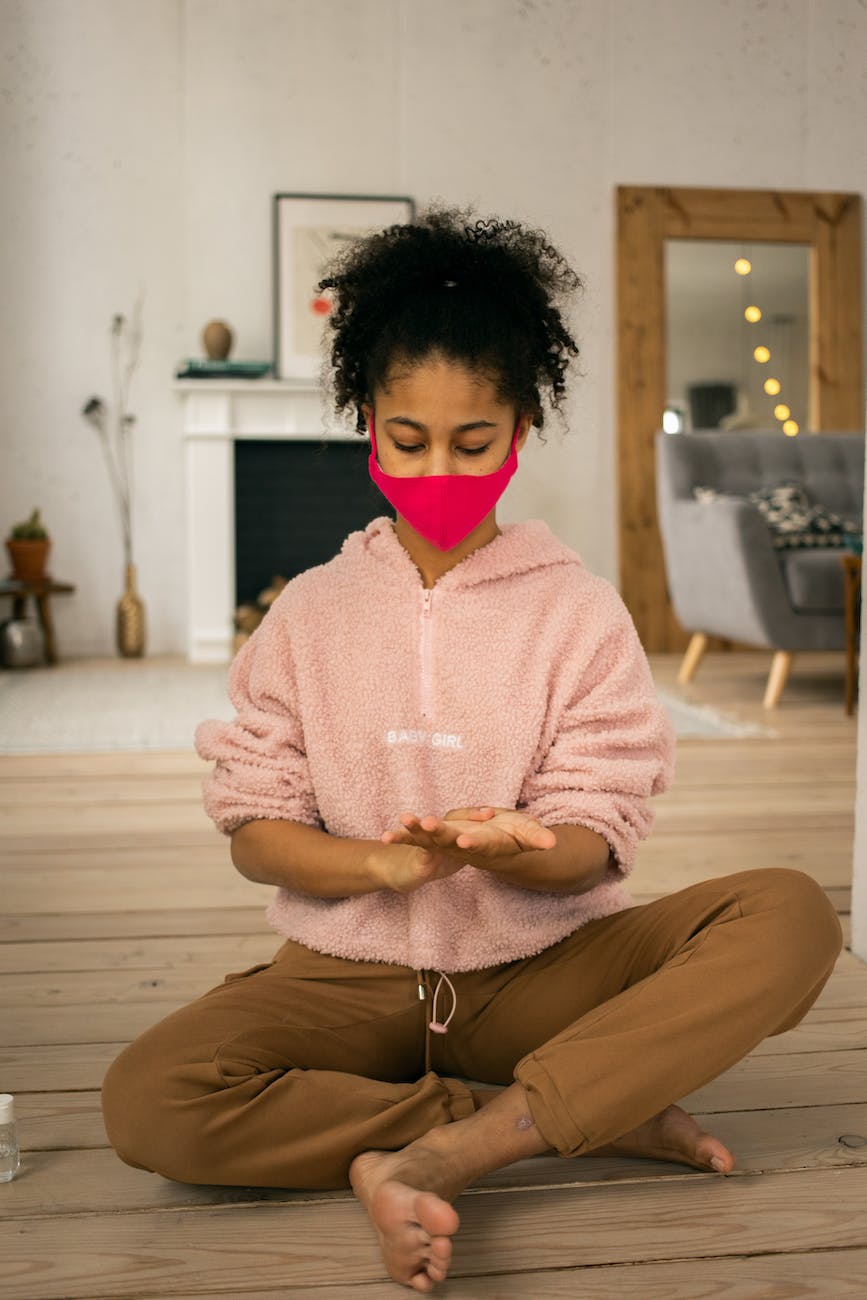
Instilling good hygiene habits in children is vital for preventing the spread of infections. Teach your child the importance of regular handwashing with soap and water, especially before meals, after using the restroom, or after playing outside. Practicing proper cough and sneeze etiquette, such as covering their mouth and nose with a tissue or their elbow, helps prevent the transmission of airborne illnesses. Additionally, encourage your child to avoid sharing personal items like utensils, water bottles, and towels, as this can contribute to the spread of germs.
Balanced Nutrition: Fueling Immunity
A healthy diet plays a significant role in building a robust immune system. Ensure your child’s diet includes a variety of fruits, vegetables, whole grains, lean proteins, and dairy products. These nutrient-rich foods provide the essential vitamins, minerals, and antioxidants necessary to support their immune function. Limiting sugary snacks and beverages, which can weaken immunity, and encouraging regular hydration are also crucial steps in preventing common childhood illnesses.
Adequate Sleep: Restoring and Repairing
Quality sleep is essential for a child’s overall well-being and immune system function. Establish a consistent bedtime routine that allows for an appropriate number of hours of sleep based on your child’s age. A well-rested child is better equipped to fight off infections and illnesses. Make their sleep environment comfortable, quiet, and free from electronic distractions, ensuring they get the restorative sleep they need to stay healthy.
Regular Exercise: Active Bodies, Stronger Immunity
Physical activity is not only essential for maintaining a healthy weight but also for boosting the immune system. Encourage your child to engage in regular physical exercise through activities they enjoy, such as cycling, swimming, dancing, or playing sports. Exercise helps improve blood circulation, promotes the production of immune-boosting cells, and reduces the risk of chronic diseases. Moreover, it contributes to overall mental and emotional well-being, fostering a healthier immune response.
Limit Exposure to Germs: Creating a Safe Environment
Reducing your child’s exposure to germs is an effective way to prevent common childhood illnesses. Regularly clean and disinfect frequently touched surfaces, toys, and utensils. Teach your child to avoid close contact with sick individuals and to practice respiratory hygiene when someone around them is unwell. Encourage them to maintain personal space in crowded areas, such as schools or public transportation, to minimize the risk of contracting infections.
Conclusion:
Protecting our children from common childhood illnesses is a shared responsibility. By implementing these preventive measures, including ensuring vaccinations, promoting good hygiene practices, maintaining a balanced diet, providing adequate sleep, encouraging regular exercise, and limiting exposure to germs, we can significantly reduce the likelihood of our little ones falling ill. Let us work together to build a healthier future for our children, where they can thrive and flourish without the burden of preventable diseases.
 Live Team Family